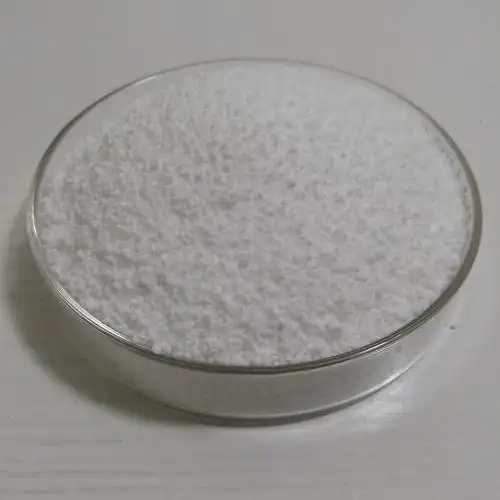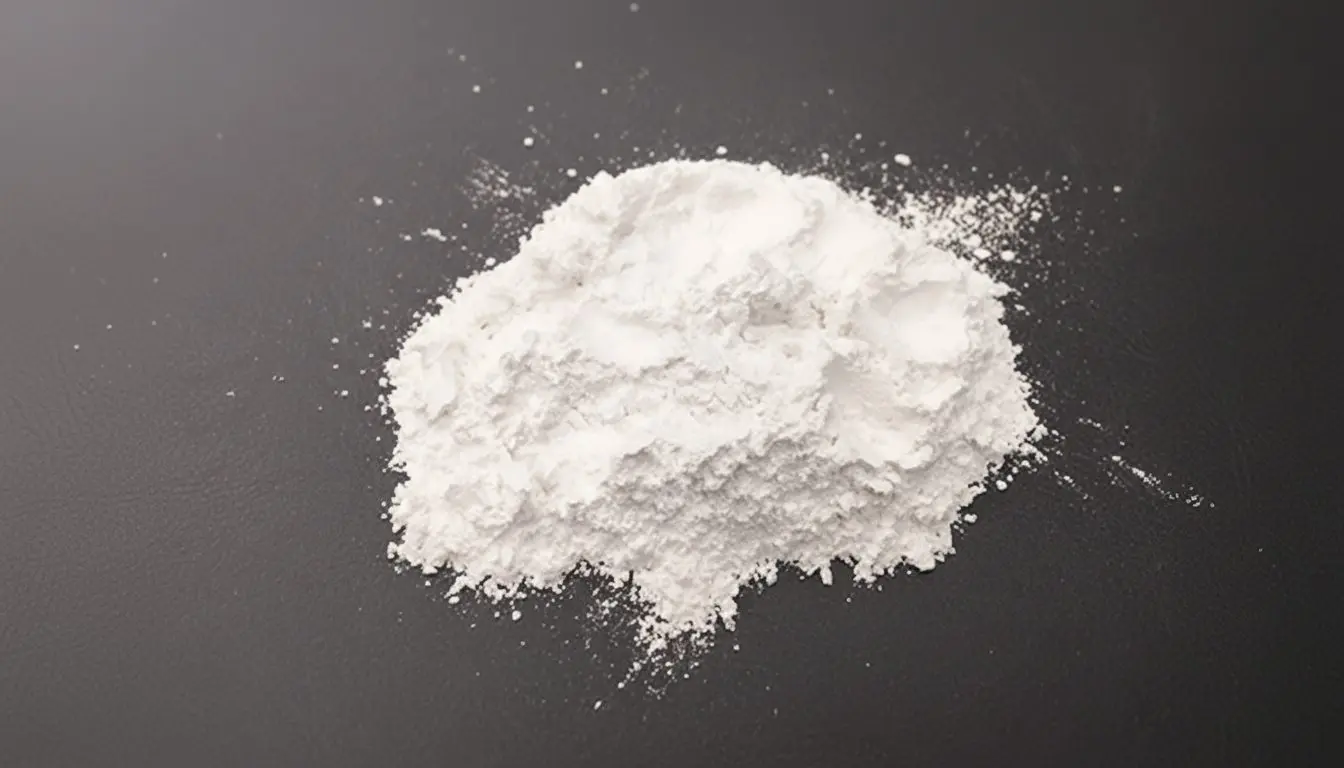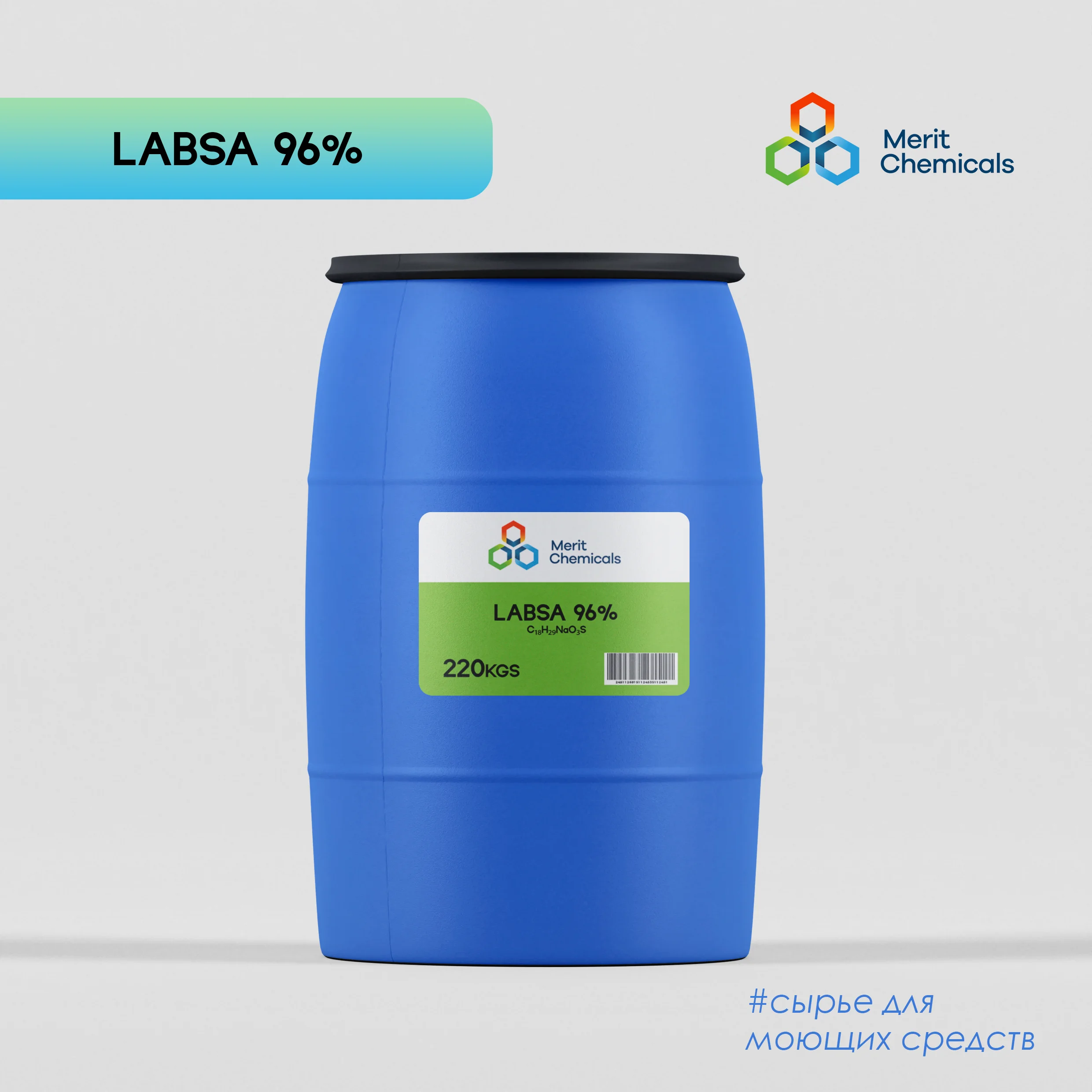
LABSA (Linear Alkylbenzene Sulfonic Acid, CAS 27176‑87‑0) is supplied by Global Optimals in Tashkent with a purity of ≥ 96 % and an acid value of 195‑200 mg KOH/g. This anionic surfactant is fully water‑soluble, has low conductivity ≤ 30 µS cm, and forms stable micelles. With an HLB value of ≈ 13, LABSA delivers excellent cleaning power and emulsifying ability, making it essential for laundry powders, liquid detergents, and household cleaners. The linear alkyl chain attached to the benzene ring reduces water surface tension, allowing the surfactant to penetrate fabric fibers and lift greasy soils even at low temperatures. In detergent formulations LABSA is frequently paired with polymeric builders such as polyacrylates and with enzymatic systems (proteases, amylases) to boost enzyme performance and enable high‑concentration products with reduced water content. When used in household cleaners, LABSA acts as the primary emulsifier for oil‑based stains, providing long‑term emulsion stability without the need for additional stabilizers. Typical dosage levels range from 5 % to 15 % of the total formulation, adjusted according to the desired cleaning intensity and the nature of the soil. Compatibility with non‑ionic surfactants (e.g., alkyl polyglucosides) is common, and the optimal pH window for maintaining activity lies between 7 and 9. Selecting a reputable brand ensures molecular stability; supplies from leading Korean and German manufacturers meet. Store LABSA in a dry, cool environment, away from direct sunlight, in sealed containers to prevent hydrolysis. Operators should wear protective gloves and goggles and work in well‑ventilated areas. Global Optimals provides complete documentation – Technical Data Sheets (TDS), Safety Data Sheets (SDS) and Certificates of Analysis (COA) – for rapid product registration.
| Активное вещество | ≥96% |
| Кислотное число | 195–200 мг KOH/г |
| Цвет | ≤30 Кл. |
Drums 210 kg / Tankers
LABSA must be stored in a dry, well‑ventilated area at ambient temperatures (approximately 15 °C–30 °C), protected from direct sunlight and heat sources. The typical shelf life is about 12 months, but the condition of the packaging and absence of condensation should be verified regularly. When handling, wear appropriate protective gloves, goggles and clothing, and avoid skin contact and inhalation of vapors. Ensure the container remains tightly sealed and that transport prevents mechanical damage or moisture ingress.