Eucalyptus pulp supplied by Global Optimals meets a high ISO‑88 % purity level, ensuring consistent performance in paper manufacturing. The pulp is derived from fast‑growing eucalyptus trees, whose short, strong fibers and low lignin content make it especially suitable for efficient bleaching and high brightness grades. Typical fiber length ranges from 0.5 to 1.2 mm, providing excellent sheet formation on high‑speed paper machines while maintaining flexibility and tear resistance. Because of its fine fiber structure, the pulp blends well with mineral fillers such as talc or kaolin and with polymer binders like carboxymethyl cellulose or polyethylene glycol, enabling the production of glossy printing papers, high‑quality office sheets, and multi‑layer sanitary‑hygienic tissues where strength, absorbency and whiteness are critical. In formulation practice, 30‑70 % pulp is used together with 30‑100 % fillers and binders to achieve the desired optical and mechanical properties. The bulk density of 700‑900 ml/g and moisture ≤10 % support reliable sheet drying and reduce energy consumption during the drying stage. For handling, the pulp should be stored in a dry, well‑ventilated warehouse at 20‑25 °C with relative humidity below 15 % to prevent fiber swelling; packaging in moisture‑proof polypropylene bags is recommended for transport. Sourced from reputable brands such as KCC, Kukdo, Evonik and BASF, each shipment includes complete documentation: Technical Data Sheet (TDS), Safety Data Sheet (SDS) and Certificate of Analysis (COA). Fast logistics cover Uzbekistan, Kazakhstan and Russia, with delivery typically within 3‑5 business days after order confirmation, enabling rapid start‑up of production lines.
| Яркость | ≥88% ISO |
| Вискозность | 700–900 мл/г |
| Влажность | ≤10% |
Bales 240 kg
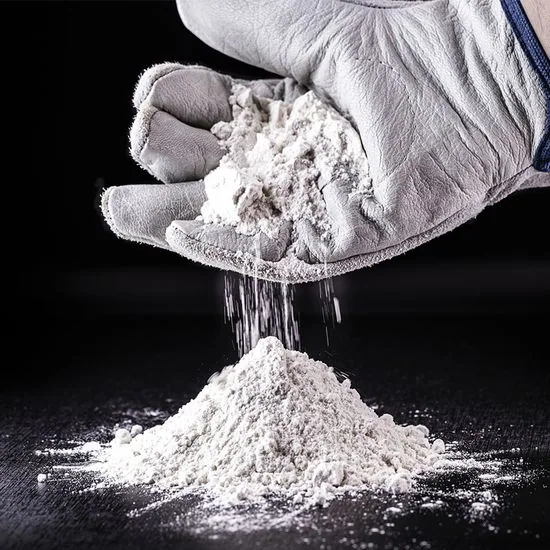
Eucalyptus pulp should be stored in a dry, well‑ventilated area at ambient temperatures (approximately 15 °C–25 °C), protected from direct sunlight and moisture condensation. Typical shelf life is about 12 months when storage conditions are maintained; periodic inspection of packaging integrity is recommended for longer storage. During handling, wear protective gloves and a dust mask, minimize dust generation, and ensure that transport avoids mechanical impacts and exposure to moisture to preserve fiber quality.