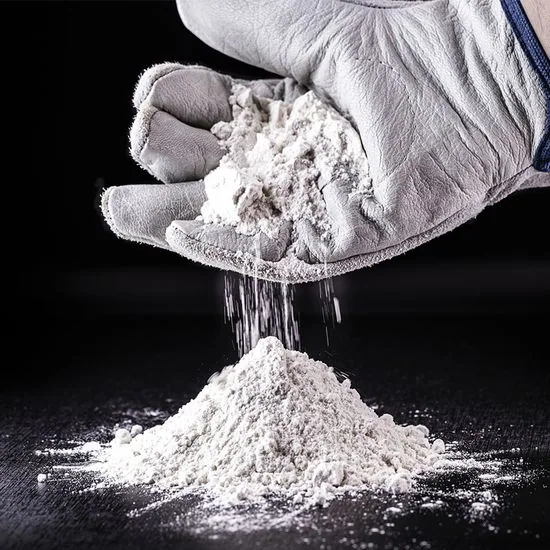
Sodium hydrosulfite 88% (CAS 7775‑14‑6) supplied by Global Optimals is a powerful reducing bleach widely used in the pulp industry for mechanical cellulose bleaching. The product guarantees a minimum purity of 88 % and impurity levels not exceeding 50 ppm, presented as a white powder that dissolves readily in water. Chemically, sodium hydrosulfite provides the S₂O₄²⁻ ion, which in aqueous solution generates sulfite and sulfur dioxide radicals, delivering a strong electron‑donating capacity. This makes it especially effective at reducing residual chlorine species and breaking down chromophoric groups in lignin, allowing paper brightness to be increased while cutting chlorine demand by up to 30 %. In pulp mills the reagent is typically introduced in the pre‑bleach or post‑bleach stages, often in combination with alkaline agents such as sodium hydroxide or sodium carbonate, forming a buffered system that maintains pH between 7 and 9 for optimal reduction without excessive decomposition. In the textile sector sodium hydrosulfite is employed for non‑acidic bleaching of cotton, linen and synthetic fibers such as polyester; the process is carried out at 30‑60 °C, preserving fiber strength and preventing the formation of micro‑holes that can arise with harsher oxidants. It is frequently paired with chelating agents (e.g., EDTA) to improve uniformity of color removal and with surfactants to aid penetration into dense yarn structures. The food industry uses the compound as an oxygen scavenger, rapidly neutralizing residual chlorine after washing fruits and vegetables and protecting flavor compounds in beverage production from oxidative degradation. Typical dosage ranges from 0.5 % to 2 % of the raw material weight, with careful monitoring of solution pH to avoid premature decomposition of the hydrosulfite ion. Storage recommendations include keeping the material in a dry, cool environment (5‑25 °C) in sealed polypropylene bags to prevent moisture uptake and oxidation. Sodium hydrosulfite is compatible with common alkaline reagents, allowing integration into existing production lines without major equipment modifications. Proper handling reduces the formation of chlorinated by‑products, improving the environmental footprint of the process. This makes the chemical an ideal choice for manufacturers pursuing sustainable production goals.
| Na₂S₂O₄ | ≥88% |
| Fe | ≤50 ppm |
| Форма | Белый порошок |
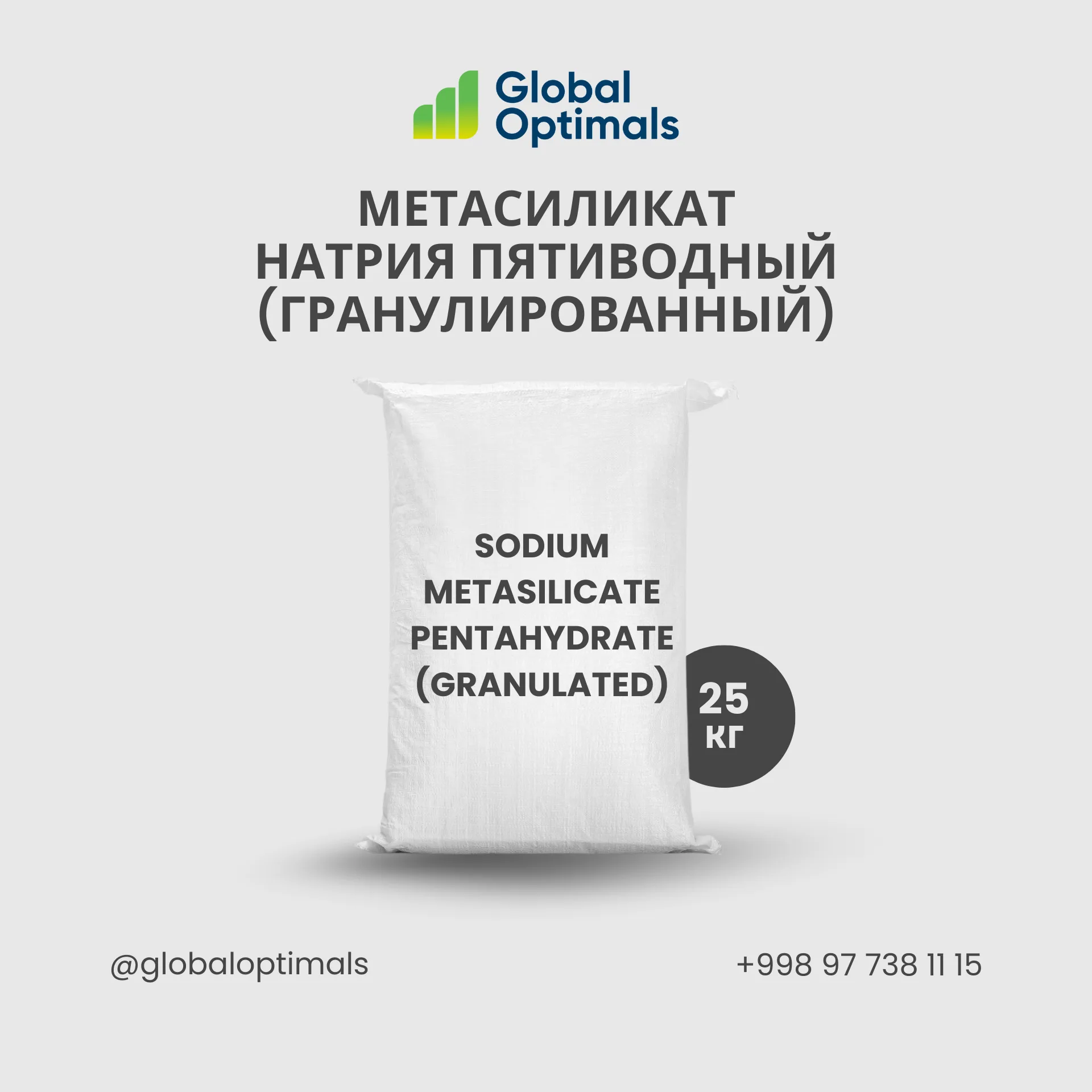
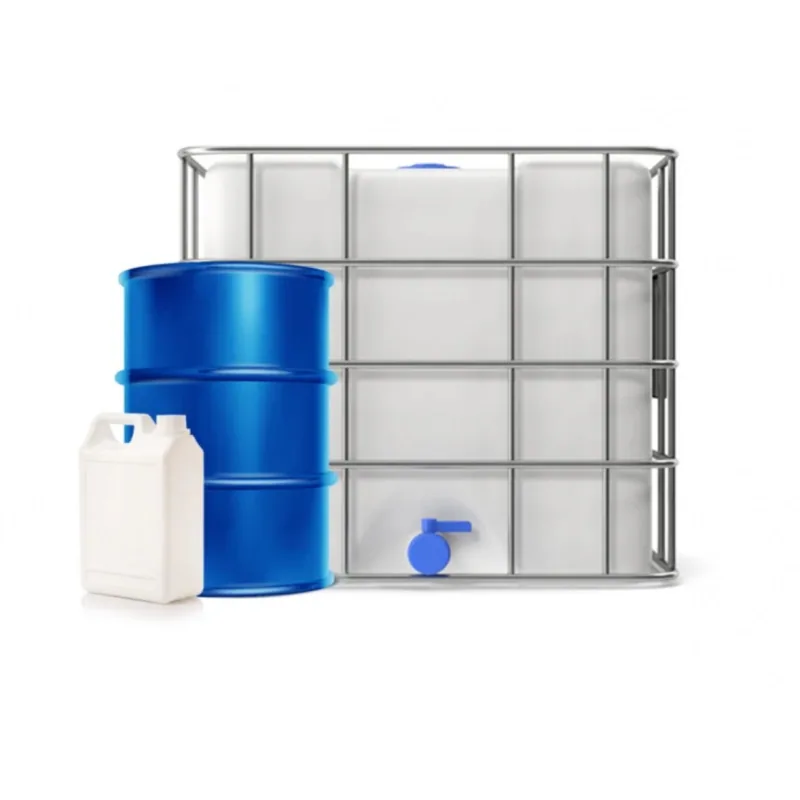
Bags 25 kg / Drums
Sodium hydrosulfite 88 % must be stored in a dry, cool, well‑ventilated area, protected from direct sunlight and moisture. Keep the material in its original, tightly sealed packaging to prevent exposure to air and humidity, which can degrade the product. Under these conditions the typical shelf life is 12–24 months. When handling, wear appropriate protective gloves, goggles and respiratory protection, and avoid inhalation of dust or skin contact.