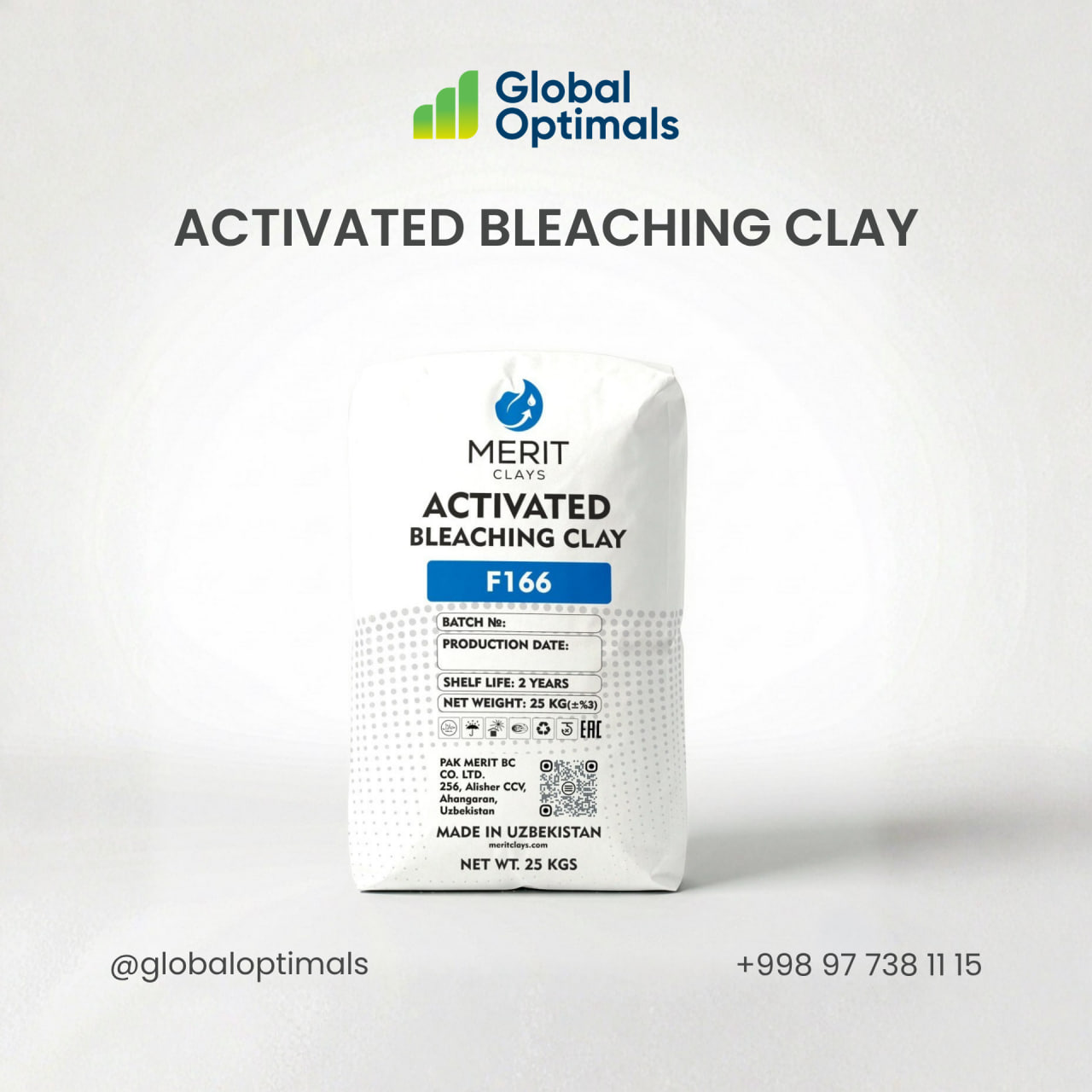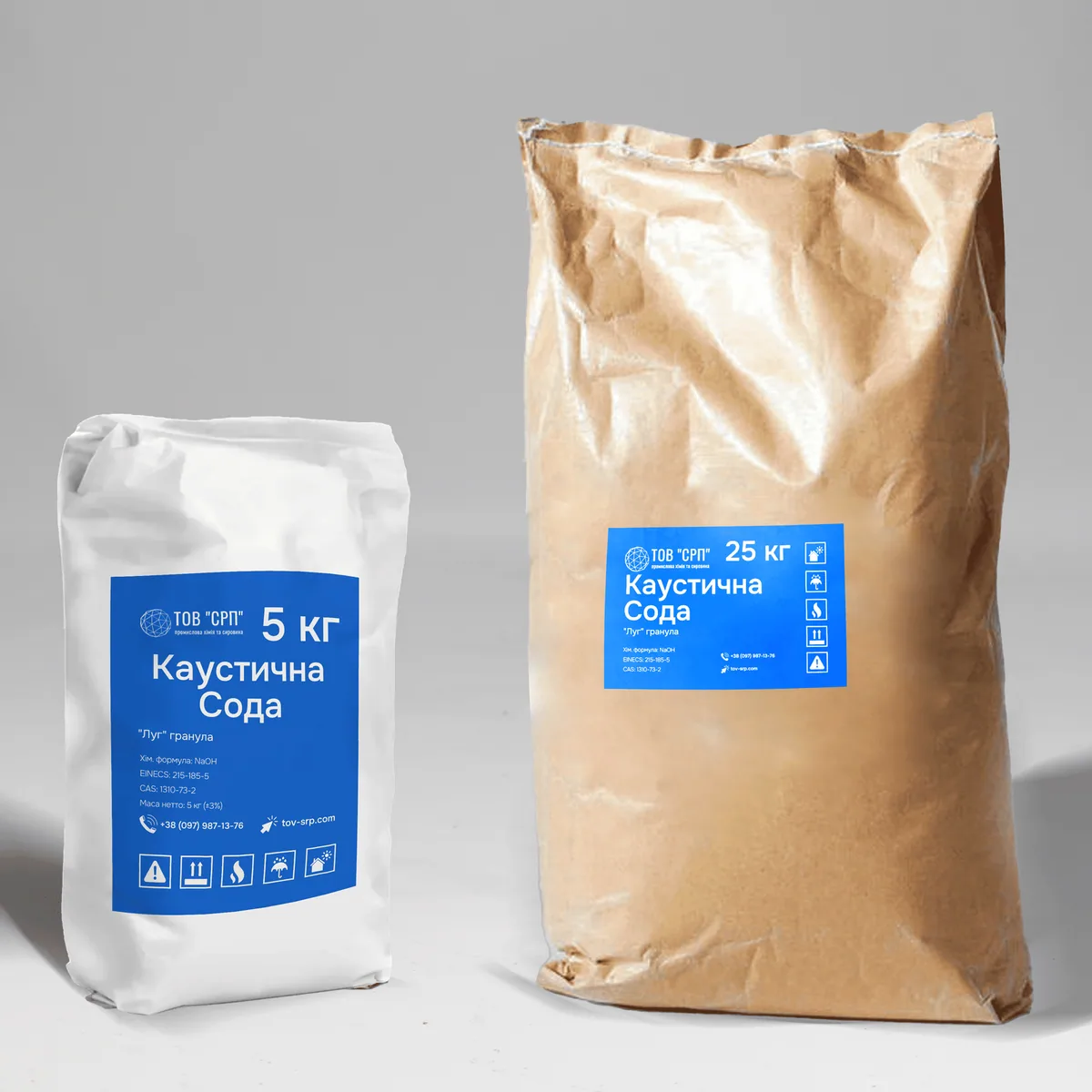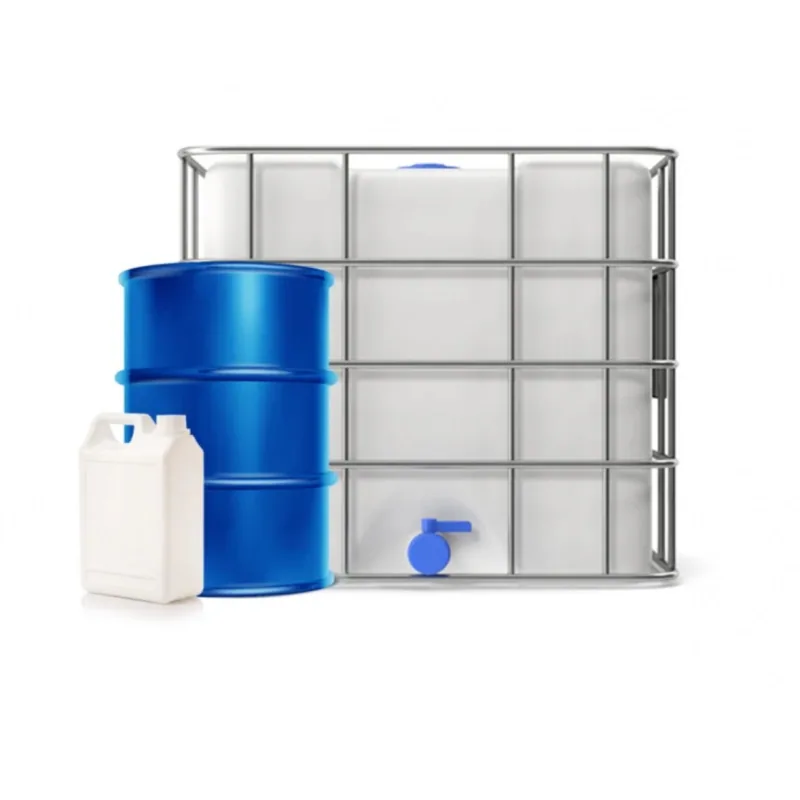
Oil industry chemicals from Global Optimals are reliable food‑grade additives used in vegetable oil refining, deodorization, hydrogenation and margarine production. The formulation relies on bleaching clays such as bentonite or kaolin, whose high surface area and layered structure adsorb pigments, free fatty acids and trace metals, delivering a clear, low‑impurity oil. Hydrogenation catalysts are typically nickel‑ or cobalt‑based alloys supported on alumina; when combined with activators they enable hydrogen uptake at reduced pressure and temperature, preserving desirable aroma compounds and improving oxidative stability of the final fat. High‑capacity adsorbents like activated carbon or silica gel are introduced during deodorization to trap volatile aldehydes, ketones and short‑chain acids (e.g., hexanal, geraniol), thereby enhancing flavor and shelf life. Selection of clay grade is guided by particle size distribution: finer fractions (≤ 5 µm) accelerate bleaching but require tighter filtration control. Catalysts are often paired with sodium hydroxide or mild antioxidants (sodium bisulfite, ascorbic acid) to prevent oil oxidation during processing. Practical dosing guidelines, based on industry practice, suggest adding bleaching clay at 0.5‑1.5 % of oil weight and catalyst at 0.02‑0.05 % of the reaction mixture, achieving target impurity levels without excessive reagent consumption. For storage, use airtight stainless‑steel or polypropylene containers kept dry and away from direct sunlight; the recommended 5‑25 °C range maintains catalyst activity and prevents clay agglomeration. These chemicals are essential not only for margarine and culinary fat production but also for specialty applications in pharmaceuticals, cosmetics, and functional food formulations where high purity, stability, and consistent performance are critical.
| Тип | Отбеливающие глины |
| Активность | Высокая |
| Стандарт | Пищевой |
| Адсорбция | ≥ 60% |
25 kg bags
The oil‑industry chemicals should be stored in a dry, well‑ventilated area at ambient temperature, avoiding exposure to excessive heat. Keep containers tightly sealed and protected from moisture and direct sunlight. Typical shelf life is 12–24 months when stored under these conditions, but always verify the date on the label. Use protective gloves, safety goggles and a respirator during handling, and prevent dust inhalation or skin contact. If packaging is damaged, transfer the material to a new, appropriate container.