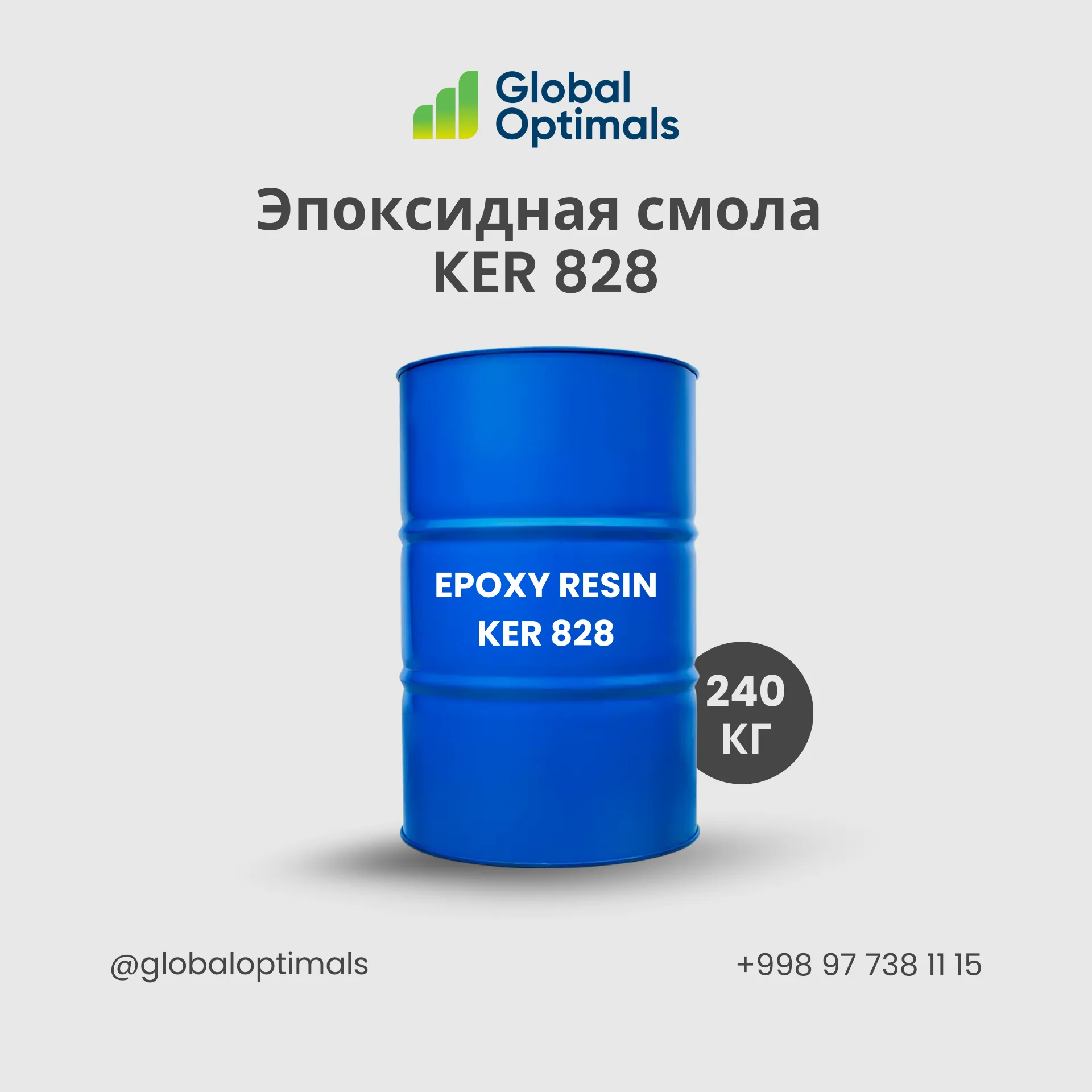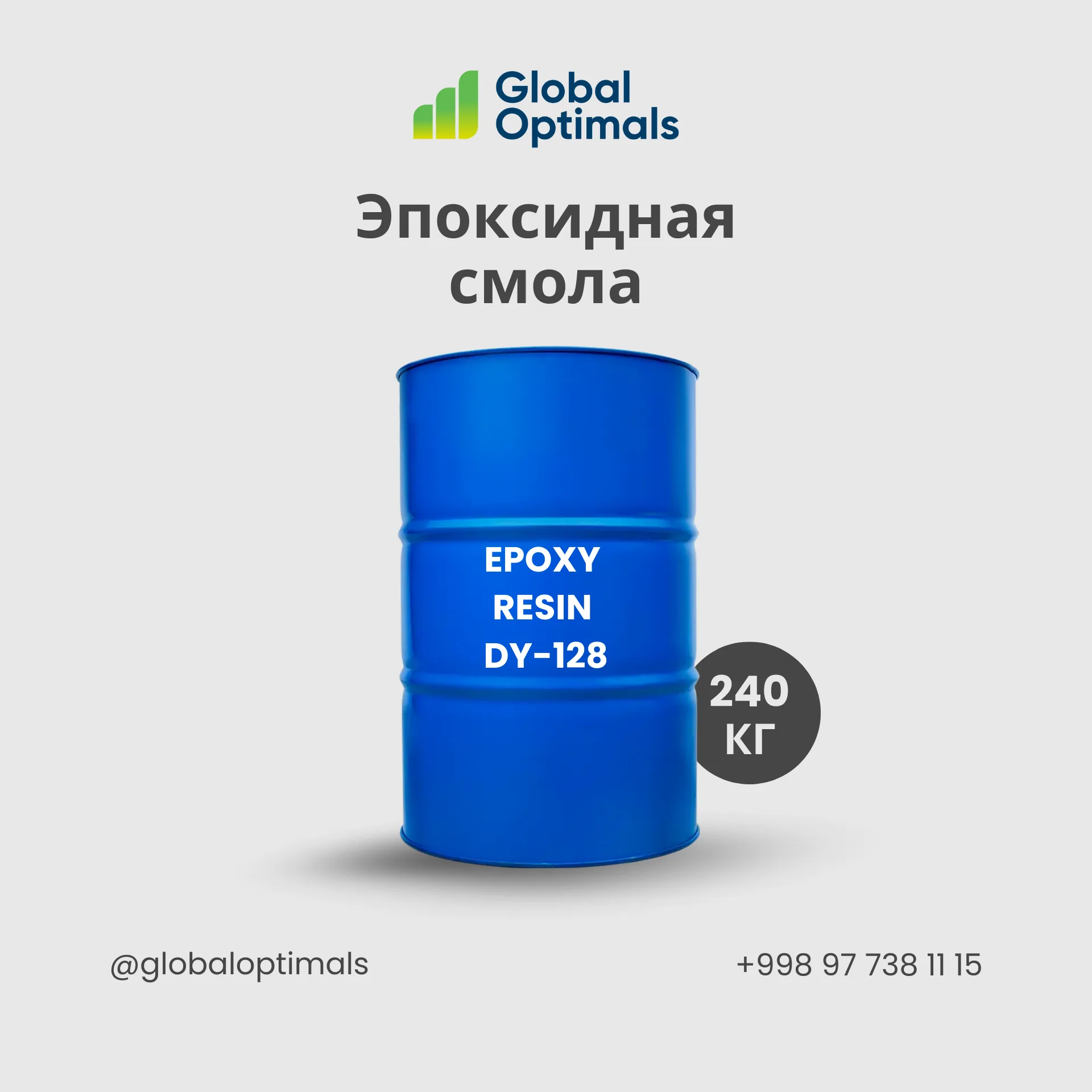
Epoxy Resin DY-128 is a high‑reactivity liquid epoxy resin produced by Sinopec Sanmu. It has a molecular weight of 185–196 g/mol, a viscosity of 10 000–16 000 mPa·s, and a water content of less than 0.5%. The resin contains a high density of epoxy groups (≈0.85 mol kg‑1), which drives rapid polymerization when combined with amine or anhydride hardeners. This chemistry gives DY‑128 low exotherm and excellent adhesion to metals, concrete, and glass, making it a preferred component in floor coating systems that must resist aggressive chemicals, such as in petrochemical plants, warehouses, and garage floors. When formulated with flexibilizers such as silicone or polyester modifiers, the resulting coating gains improved impact resistance and slip‑resistance. In impregnation applications the low viscosity allows deep penetration into porous substrates, enhancing their mechanical strength and reducing moisture uptake. As a base resin for two‑component adhesives, DY‑128 provides fast cure even at low temperatures, delivering strong bonds for metal‑to‑metal or metal‑to‑composite joints. Practical handling guidelines include gently heating the resin to 40–50 °C to lower viscosity before adding the hardener, typically at a mass ratio of 100 : 30–40 (resin : hardener) depending on the desired cure speed. Proper mixing and moisture control result in a cured network that exhibits excellent chemical resistance to acids, bases, solvents, and maintains thermal stability up to about 120 °C.
| EEW | 185–196 г/моль |
| Вязкость (25°C) | 10 000–16 000 мПа·с |
| Летучесть | < 0.5% |
| Цвет | Прозрачно-желтоватый |
240L drums
Epoxy resin DY-128 should be stored in a dry, well‑ventilated area at ambient temperatures, typically between +15 °C and +25 °C, protected from direct sunlight and heat sources. Keep the material in its original sealed container, avoiding mechanical damage to preserve packaging integrity and prevent moisture ingress. When packaging remains intact, the usual shelf life is up to 12 months; for extended storage, periodically inspect the closure and check for condensation. During handling, wear protective gloves and goggles, ensure adequate ventilation, and keep the product away from open flames and strong oxidizers.