Potassium/Sodium Xanthate (CAS 140‑89‑6) is supplied as yellow flakes with a purity of ≥ 90 % and PAX grade, ensuring stability in the pH 9‑11 range. Xanthates are anionic organic reagents that, under alkaline conditions, form strong hydrophobic complexes with metal sulfide surfaces. The resulting coating reduces surface wettability, promotes attachment of air bubbles, and thereby markedly improves flotation recovery of sulfide ores. In addition to copper, lead, zinc, nickel and gold, the reagent is routinely used for complex lead‑zinc concentrates, nickel‑cobalt sulfides, and even for the beneficiation of rare‑earth sulfide minerals where selective collector action is required. Typical flotation circuits combine xanthate with frothers such as dodecylamine oxide or pine oil, and with modifiers like lime, sodium carbonate or polymeric depressants, allowing fine control of bubble size, pulp viscosity, and selectivity. Its high solubility in water (≈ 30 g/L at 25 °C) enables rapid preparation of working solutions, while the low melting point (~ 150 °C) simplifies logistics, as the product can be stored and shipped without special temperature control. Correct dosing (0.5‑2 % of ore weight) creates a thin hydrophobic layer on sulfide particles; overdosing may increase frothing and reduce selectivity, so pH monitoring and dosage optimization are standard practice. The reagent should be kept in a dry, cool environment, protected from direct sunlight and moisture, in sealed containers to prevent hydrolysis, which would generate carbonic acid and diminish collector efficiency. Handling guidelines recommend chemical‑resistant gloves, safety goggles, and adequate ventilation because decomposition can emit a characteristic odor. Comprehensive technical documentation (TDS, SDS, COA) is available on request, facilitating regulatory review and process integration.
| Чистота | ≥90% |
| Форма | Жёлтые хлопья |
| Марки | PAX, SIPX, SEX |
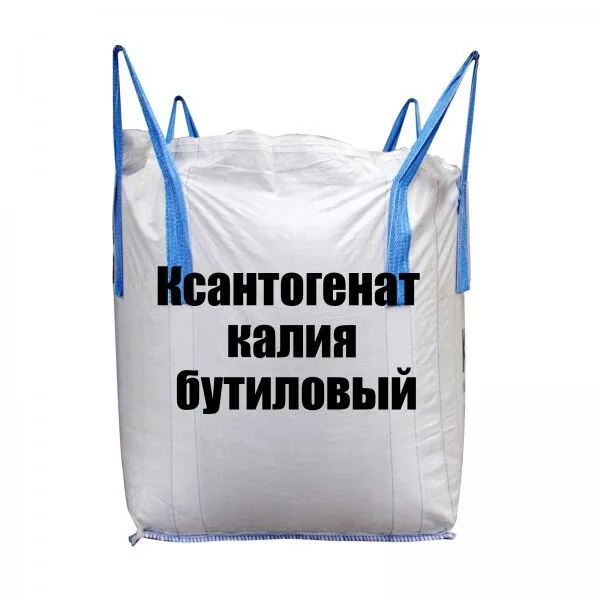
Drums 50–200 kg / Big bags
Store potassium/sodium xanthate in a dry, well‑ventilated area protected from direct sunlight and moisture. Recommended storage temperature is ambient, typically +5 °C to +25 °C; higher temperatures may accelerate degradation. Keep the material in intact, sealed polymer bags to prevent ingress of moisture and oxygen. Shelf life is generally 12–24 months provided the packaging remains uncompromised. During handling wear protective gloves and goggles, avoid skin contact and inhalation of dust.