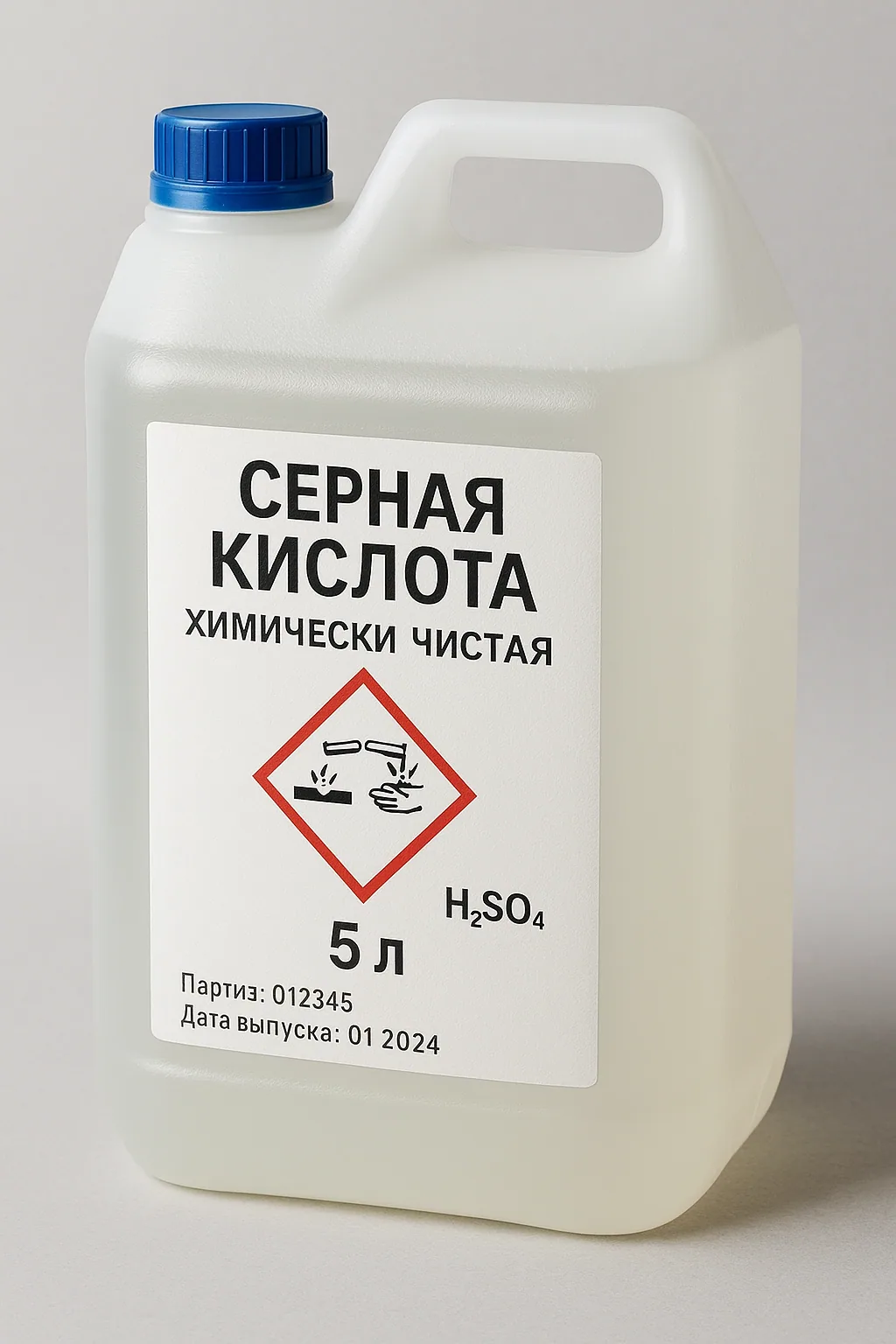
Sulfuric acid 98% (CAS 7664‑93‑9) – a technical grade acid with a concentration of 93‑98 % and impurity levels not exceeding 50 ppm. Its density at 20 °C is 1.84 g/cm³, and its corrosion resistance ensures reliable performance in aggressive environments. Sulfuric acid is a cornerstone chemical in many industrial processes because it acts as a strong proton donor and powerful oxidizing agent. In mining, it is employed for copper leaching where the acid converts copper ore into soluble copper sulfate, which can then be recovered by electrowinning. For uranium extraction, sulfuric acid facilitates the formation of uranyl sulfate complexes, enabling efficient separation of uranium from the ore matrix. In the production of nitrogen fertilizers, the acid reacts with ammonia to form ammonium sulfate, a key component of many fertilizer blends, and also participates in the synthesis of phosphoric acid derivatives. Battery manufacturers rely on sulfuric acid as the electrolyte in lead‑acid batteries; its high ionic conductivity and ability to form stable lead‑hydrogen sulfate plates provide long service life and consistent performance. When selecting equipment, materials such as titanium, Hastelloy, or polypropylene are preferred because they resist the aggressive action of concentrated acid over prolonged periods. Standard handling practice calls for adding acid to water slowly, allowing the exothermic heat of dilution to dissipate and preventing splashing. Storage containers must be sealed and equipped with ventilation to avoid accumulation of acidic vapors, which can form hazardous aerosols. Safety measures include chemical‑resistant gloves, goggles, and rubber boots, as well as readily available neutralizing agents such as sodium carbonate for spill response. The acid readily reacts with most metals, producing metal hydrosulfates; therefore, equipment made from aluminum or ordinary carbon steel is unsuitable. Proper control of reaction conditions, concentration, and dosing maximizes the efficiency of sulfuric‑acid‑based processes, reduces raw‑material losses, and enhances overall economic viability.
| H₂SO₄ | 93–98% |
| Fe | ≤50 ppm |
Tankers / Big bags 1000 kg
Sulfuric acid must be stored in a cool, dry area with ambient temperatures typically between +5 °C and +25 °C, away from direct sunlight and heat sources. Containers should remain sealed and be made of corrosion‑resistant material such as HDPE or internally coated steel. When kept in original packaging, the product’s shelf life is effectively unlimited provided the integrity of the vessel is maintained. Handling requires chemical‑resistant gloves, safety goggles, protective clothing and adequate ventilation. In case of a leak, isolate the source immediately and apply appropriate neutralisation procedures.