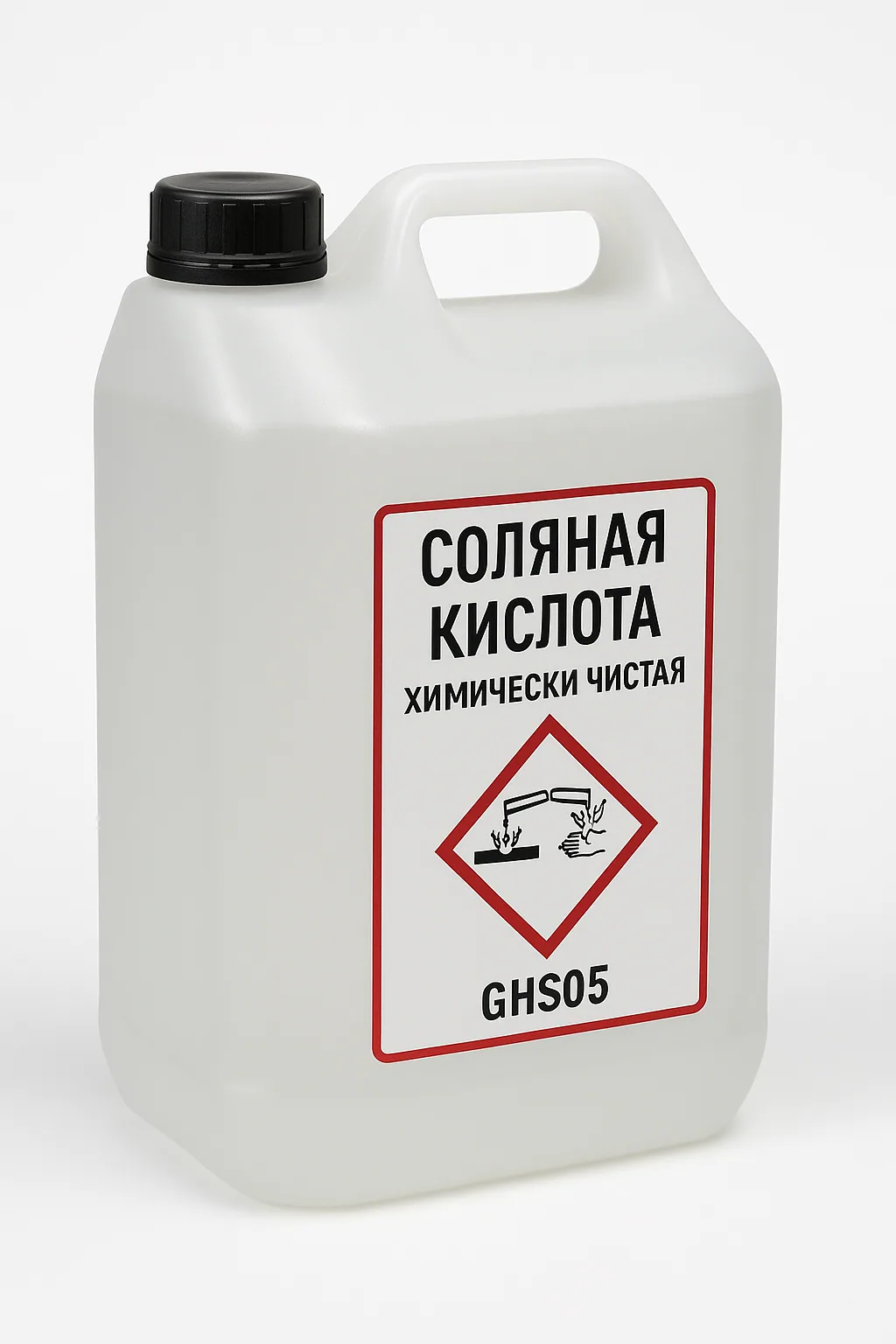
Hydrochloric acid 33–36 % (CAS 7647‑01‑0) supplied by Global Optimals is a water‑based solution with purity ≤5 ppm and density 1.19 g/cm³. This high grade provides excellent corrosion resistance and a stable pH around 1, making it ideal for mining operations. Hydrochloric acid, as a strong monoprotic acid, readily attacks oxide and sulfide minerals, converting them into soluble chlorides that can be washed out of the ore body. In leaching circuits for copper, zinc or nickel, HCl is often paired with oxidizing agents such as hydrogen peroxide or nitric acid to accelerate metal dissolution and reduce overall reagent consumption. For metal etching, the acid removes native oxide films, creating a clean, active surface that improves subsequent plating, anodizing or welding processes. In oil‑field well acidizing, HCl is combined with corrosion inhibitors (e.g., benzotriazole‑sulfonate) and applied at controlled temperatures (typically 30‑60 °C) to dissolve carbonate scales while protecting steel casings. In PVC production, HCl serves as a catalyst in vinyl chloride polymerization and is also used for catalyst regeneration and equipment cleaning. The product is compatible with standard process materials: stainless steels (AISI 304/316), titanium alloys, and polymer seals such as PTFE or EPDM. Storage guidelines call for sealed, ventilated stainless‑steel containers kept at 15–25 °C, away from organic substances to avoid formation of hazardous chlorinated organics. Transportation complies with UN 1993 regulations, and full documentation—including Technical Data Sheet (TDS), Safety Data Sheet (SDS) and Certificate of Analysis (COA)—accompanies each shipment.
| HCl | 33–36% |
| Fe | ≤5 ppm |
| Форма | Водный раствор |
IBC 1000 kg / Tankers
Hydrochloric acid must be stored in a dry, cool area with ambient temperatures between +5 °C and +25 °C, protected from direct sunlight and moisture. It is supplied in corrosion‑resistant glass or high‑density polymer containers with tight‑fitting threaded caps; any signs of corrosion, leakage, or damaged seals require immediate removal from service. When these conditions are maintained, the product has an indefinite shelf life, though usage within 12 months is recommended for optimal performance. During handling, wear chemical‑resistant gloves, safety goggles, ensure adequate ventilation, and avoid contact with metals or alkaline substances.