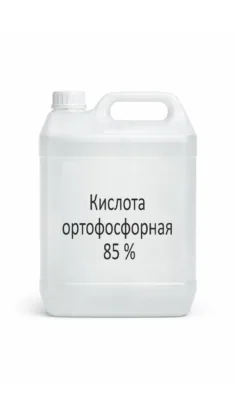
Phosphoric acid 85% (CAS 7664‑38‑2) is a food‑grade FCC product compliant with E338 specifications. Purity is ≥85 % with impurity levels ≤5 ppm and metal ions ≤1 ppm; density 1.68 g/cm³ at 20 °C, pH 1.5 in a 10 % solution. Phosphoric acid is a clear, slightly viscous liquid that readily dissolves in water, providing a strong acidic environment that is essential for many food‑processing operations. Its ability to form stable phosphate buffers with sodium or potassium carbonate makes it valuable for maintaining a consistent pH during storage and fermentation. In soft drinks it enhances flavor sharpness, in confectionery it controls sugar crystallization, and in fat‑oil blends it improves emulsification and prevents phase separation. When used in whey protein or fermented food production, the acid stabilizes enzymatic activity by keeping the reaction medium within the optimal pH range for microbial growth. Typical usage levels of 0.05‑0.2 % also provide antimicrobial protection without adversely affecting taste. The high‑purity grade ensures negligible metal content, a critical factor for pharmaceutical and cosmetic formulations where trace metals can destabilize active ingredients. Storage requires sealed stainless‑steel containers, protection from alkaline substances, and temperature control between +5 °C and +30 °C. When diluted to 0.1 % it effectively stabilizes pH in dairy beverages and improves ice‑cream texture by reducing ice crystal growth. During transport, thermally insulated containers and compliance with UN hazardous cargo regulations are recommended.
| H₃PO₄ | ≥85% |
| Fe | ≤5 ppm |
| As | ≤1 ppm |
| Стандарт | FCC |
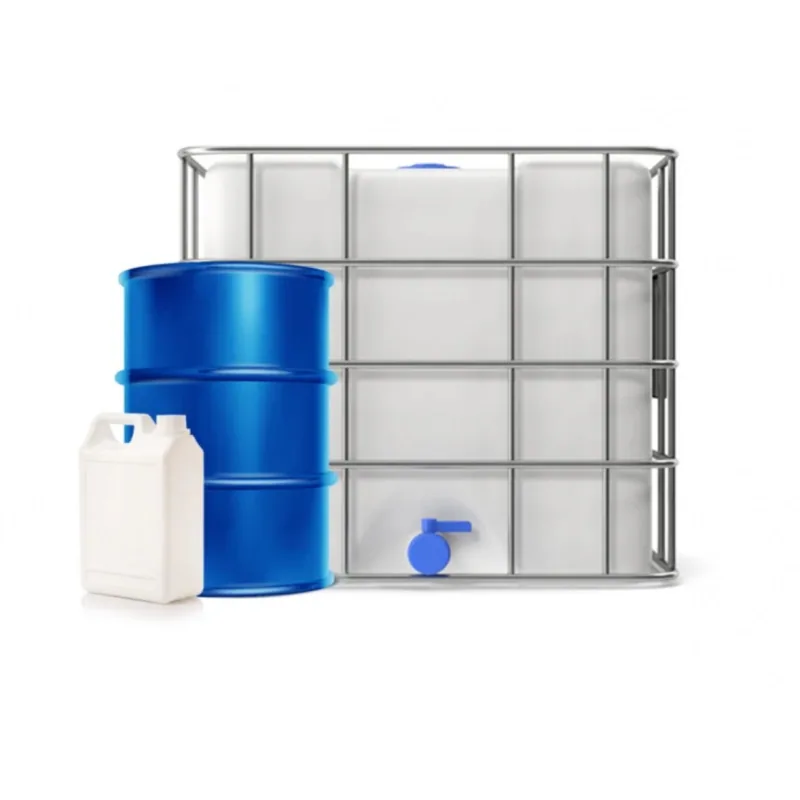
Canisters 35 kg / Drums 330 kg
Store phosphoric acid 85 % in a cool, dry, well‑ventilated area away from direct sunlight and heat sources. Keep containers tightly sealed and free from damage to prevent moisture ingress and contamination. Maintain typical acid storage temperatures (generally not exceeding 25 °C) and ensure the packaging remains intact; the product’s shelf life is defined by the manufacture date and condition of the container, typically extending several years under proper conditions. During handling wear chemical‑resistant gloves, goggles and protective clothing, avoid contact with bases or organic materials, and provide adequate ventilation.