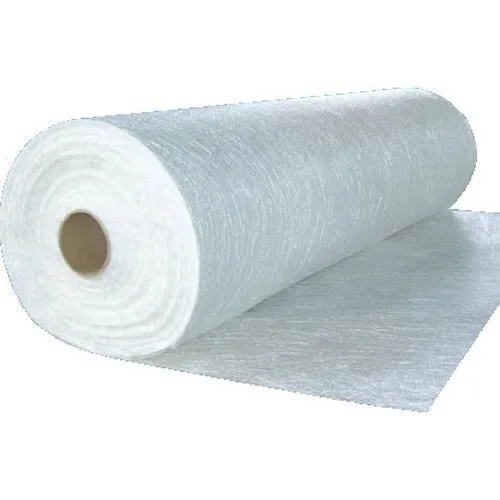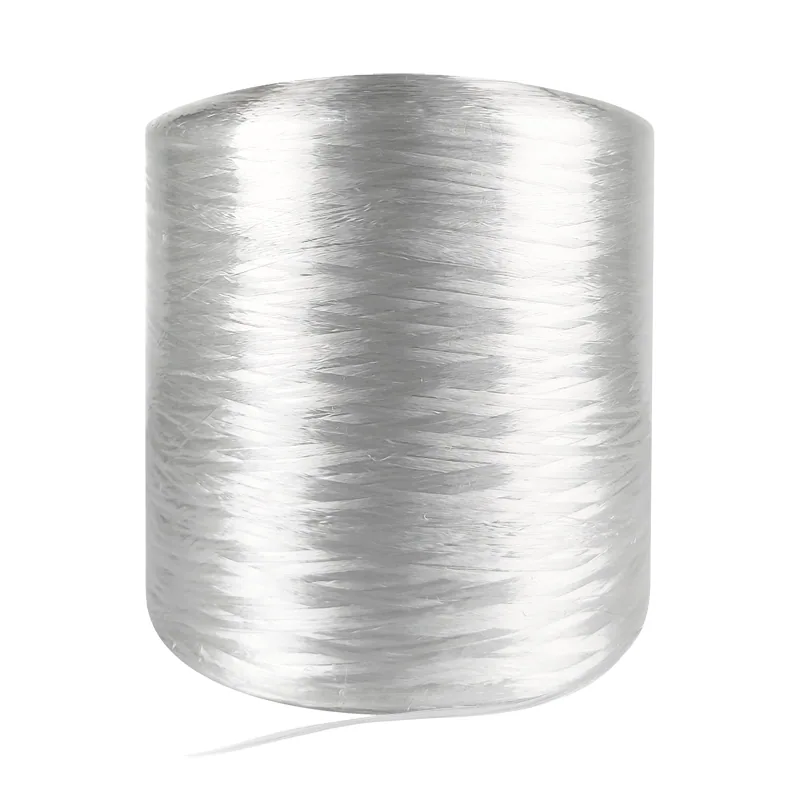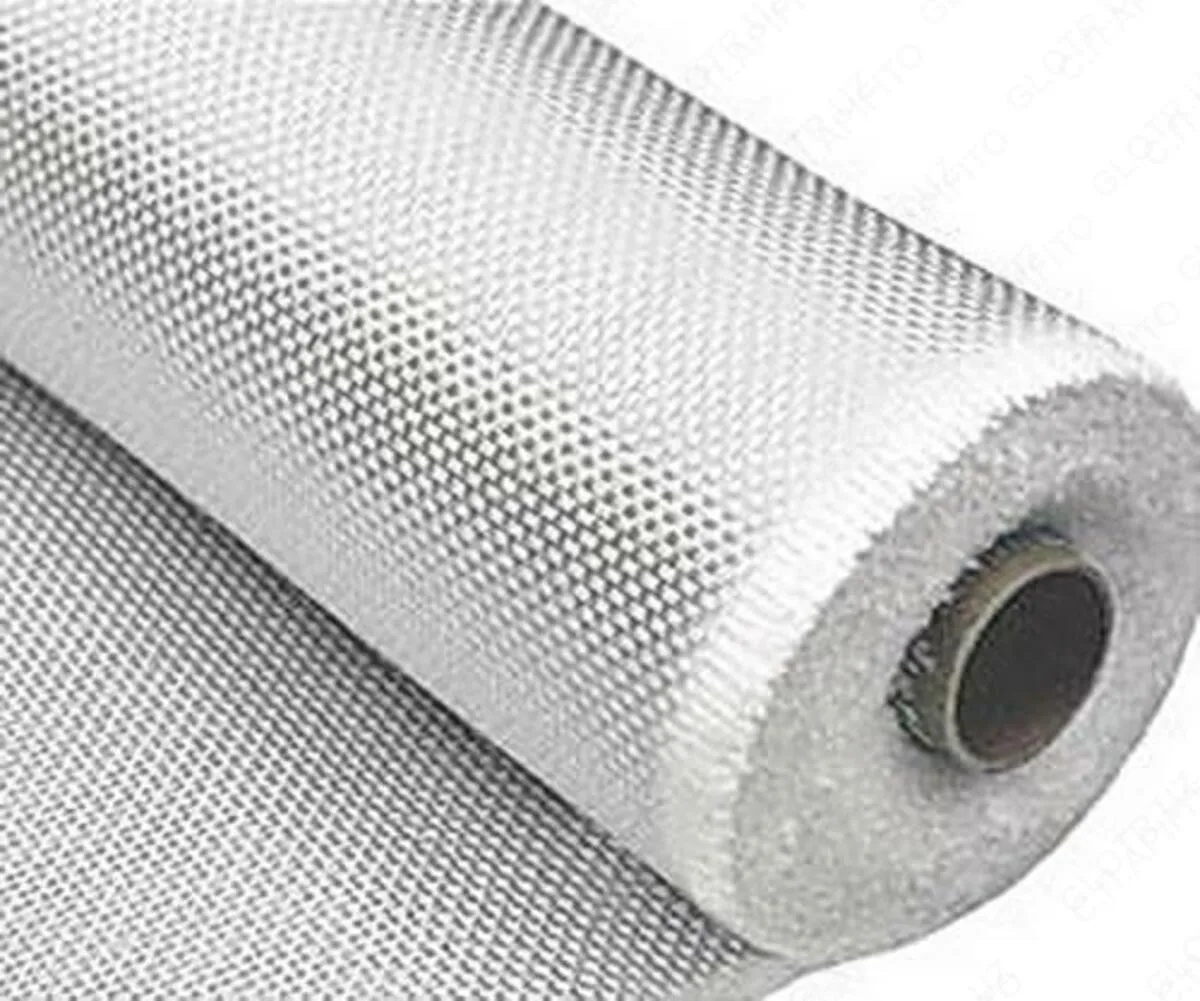
Fiberglass fabric from Global Optimals is a premium composite material available in Tashkent. This fabric is produced from continuous glass fibers that originate from melted quartz sand drawn into fine filaments, giving the material exceptional tensile strength and chemical inertness. Grades: E‑glass and S‑glass, density 80‑800 g/m², width 50‑200 cm, weaves plain, twill and satin. E‑glass fibers are widely compatible with epoxy and polyester resins and provide good electrical insulation, while S‑glass fibers have a higher modulus and are often paired with vinylester or PMMA thermosetting resins for stiff, high‑performance structures. Tensile strength reaches up to 3.5 GPa, moisture absorption below 0.5 %, and thermal resistance up to 400 °C, making it ideal for boats and yachts, wind‑energy blades, pipelines and automotive bodies. The high modulus facilitates easy molding; typical lay‑up practices use 1‑3 fabric layers depending on required wall thickness, and vacuum infusion is recommended to ensure complete resin wet‑out and void reduction. For storage, keep the fabric in a dry environment, shielded from direct sunlight, at temperatures between 5‑30 °C to prevent fiber degradation from moisture uptake or UV exposure. A complete documentation set (TDS, SDS, COA) ensures compliance with international standards. Delivery to Tashkent is 24‑48 hours, and to Uzbekistan, Kazakhstan and Russia within 3‑5 business days. Minimum order is 500 m², with small batches accepted.
| Тип | E-glass, S-glass |
| Вес | 80–800 г/м² |
| Ткань | Plain, Twill, Satin |
| Ширина | 50–200 см |
50–100 m rolls
Fiberglass fabric must be stored in a dry, well‑ventilated area, protected from direct sunlight and moisture condensation. Recommended storage temperature is between +5 °C and +25 °C; higher temperatures require additional ventilation. When the packaging remains intact, the typical shelf life is 12‑24 months. During handling and transport, avoid mechanical damage, sharp impacts, bending, and contact with chemicals that could degrade the glass fibers. Packaging—usually polyethylene or aluminum rolls—should be free of tears, punctures, or leaks to ensure moisture does not infiltrate the material.