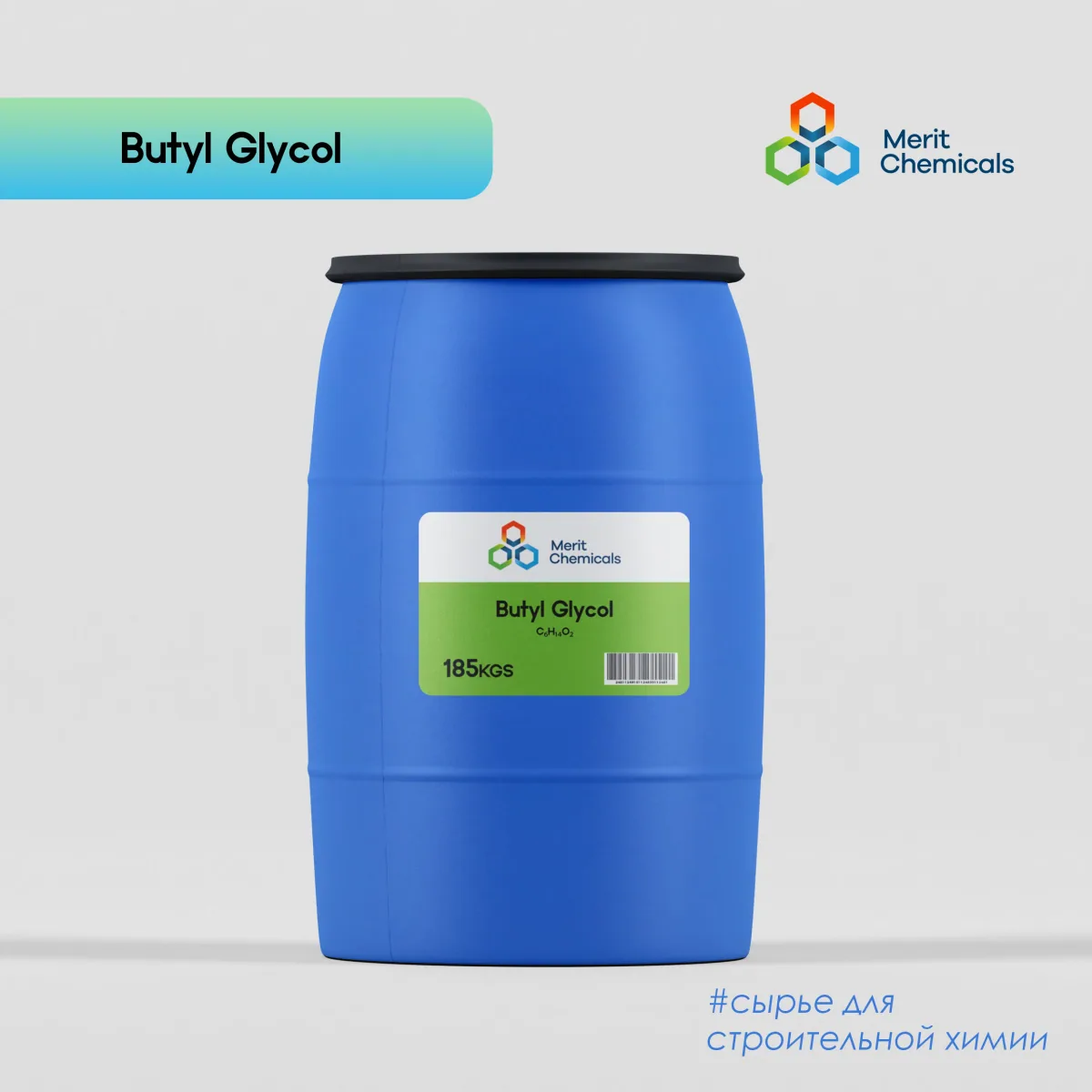
Butyl glycol 2‑butoxyethanol (CAS 111‑76‑2) is supplied at ≥ 99 % purity and serves as a key solvent for water‑based coating systems. Chemically, it belongs to the glycol‑ether family, combining a moderate polarity with a hydrophobic butoxy chain, which enables it to dissolve a wide range of polymers, resin modifiers, and pigment dispersions. This dual affinity reduces surface tension of the coating, promoting better wetting of substrates such as metal, wood, and plastics, and accelerates the co‑alescence step that is critical for forming uniform, defect‑free films. In practice, butyl glycol is frequently blended with ethanol, propylene glycol, or diethylene glycol to tailor evaporation rates while keeping volatile organic compound (VOC) emissions low. The solvent’s ability to maintain pigment stability prevents flocculation during storage, extending shelf life of high‑performance acrylic and urethane paints. When incorporated into formulations that contain plasticizers, biocides, or anti‑settling agents, butyl glycol does not react with active functional groups, preserving the efficacy of these additives. Typical handling guidelines recommend adding 5‑15 % of the total batch volume at 20‑25 °C under gentle stirring; this range provides optimal viscosity reduction without risking phase separation. For higher loadings, monitoring residual water is advisable because even modest moisture levels can influence drying time and final film hardness. Store the glycol in a dry, cool environment (15‑25 °C), away from direct sunlight and ignition sources, in sealed containers. Transportation follows UN 1993 regulations using hermetically sealed drums. Product quality is assured through spectroscopic analysis and moisture content checks, guaranteeing consistent parameters during storage. Recommended usage rates in paint formulations range from 5 % to 15 % of the total mix, depending on the desired viscosity and drying profile.
| Чистота | ≥99% |
| T кип. | 171°C |
| Плотность | 0.902 г/см³ |
Drums 210 kg / Tankers
Butyl glycol must be stored in a dry, well‑ventilated area, protected from direct sunlight and heat sources. Recommended storage temperature is between +5 °C and +25 °C; lower temperatures may cause solidification, while temperatures above +30 °C accelerate evaporation. Shelf life is typically 12–24 months provided the container remains intact. During handling wear chemical‑resistant gloves and safety goggles, avoid skin contact and inhalation of vapors. Packaging—whether plastic or metal—should be tightly sealed and free of corrosion or mechanical damage.