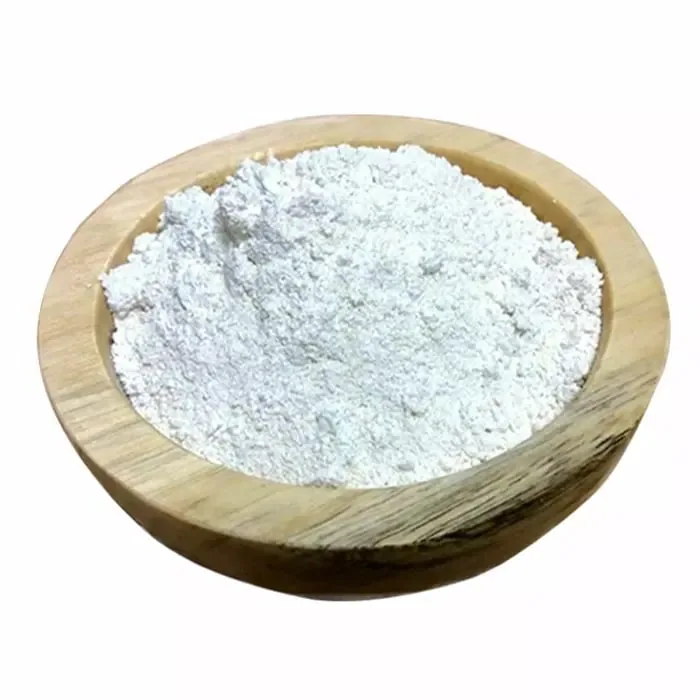
Carboxymethylcellulose (CMC) 9000-11-7 (CAS 9000‑11‑7) is supplied as a white powder with purity ≥ 99 % and a viscosity range of 200‑30000 mPa·s at 25 °C. This polymer is derived from cellulose by partial etherification with sodium chloroacetate, introducing carboxymethyl groups that confer strong hydrophilicity and the ability to form hydrogen bonds with water molecules. When dispersed in water, CMC chains swell and interlink, creating a three‑dimensional network that traps water and yields a clear, stable gel. Such a structure explains its effectiveness as a thickener, stabiliser, and rheology modifier in a wide range of aqueous systems. In the paint industry CMC is frequently employed to stabilise pigment dispersions, preventing sedimentation and phase separation during storage and application. When added to acrylic or latex paints, it improves substrate adhesion, reduces sensitivity to temperature fluctuations, and extends open time, allowing longer intervals between coats without loss of gloss or colour integrity. In construction formulations CMC is often combined with poly‑ethylene glycol based plasticisers; the synergy enhances cement paste cohesion, lowers shrinkage, and increases flexural strength. For gypsum plaster, CMC works well with micro‑silica additives, delivering a uniform particle distribution and reducing crack formation during drying. In tile adhesives, CMC is paired with sodium alginate modifiers to boost elasticity of the adhesive layer and improve bonding to ceramic tiles. Handling recommendations include the use of protective gloves, a dust mask, and safety goggles, together with adequate ventilation, because fine powder can irritate the respiratory tract. The material should be stored in a dry, cool environment (15‑25 °C) away from direct sunlight and moisture to preserve its viscosity and solubility characteristics. During transport the product is sealed in 25 kg polyethylene bags, protecting it from humidity and mechanical damage. When formulating new products, it is advisable to perform compatibility tests with other polymeric additives, dispersants, and corrosion inhibitors, as incompatibilities may lead to phase separation or loss of performance.
| DS | 0.65–1.2 |
| Вязкость (2%, 25°C) | 200–30000 мПа·с |
| Чистота | ≥99% |
| pH (2%) | 6.5–8.0 |
Bags 25 kg
Carboxymethylcellulose must be stored in a dry, well‑ventilated area protected from direct sunlight and moisture. Recommended storage temperature is between +15 °C and +30 °C; temperatures outside this range may affect its physical‑chemical properties. Keep the product in its original sealed packaging and avoid mechanical damage. Typical shelf life is 12–24 months when stored under these conditions. During handling, prevent dust generation and use appropriate personal protective equipment.