Formic acid 99% (CAS 64-18-6) supplied by Global Optimals is a high‑purity organic acid with a density of 1.20 g/cm³ and a concentration range of 85‑99 %. As the simplest monocarboxylic acid, it possesses a strong reducing capability and readily forms soluble metal formate salts, properties that are widely exploited in textile chemistry. In acid dyeing of wool and nylon, the formate medium promotes deeper dye penetration, improves fixation rates, and enhances wash fastness by stabilizing the dye‑fiber complex. The acid also serves as a pH regulator in mordant‑based dye baths, preventing premature hydrolysis of reactive dyes and allowing more consistent shade development. In leather processing, formic acid acts as a reducing agent during tanning, moderating collagen oxidation and yielding a supple, flexible hide. For silage treatment, its antimicrobial action suppresses undesirable microbial growth, preserving nutritional value of stored feed. Beyond these core uses, formic acid is employed in pre‑wash formulations for synthetic fibers, where it neutralizes residual alkalinity and improves adhesion of subsequent finishes. Compatibility considerations are important: formic acid mixes well with other carboxylic and sulfonic components, but it can react with strong oxidizers, leading to their decomposition, so such oxidizers should be stored separately. Typical dosing in textile lines ranges from 0.5 % to 2 % of fabric weight, depending on the desired acidity and dye class. For safe handling, keep the acid in tightly sealed containers, avoid contact with strong oxidizing agents, and store at temperatures between 5 °C and 25 °C. Each shipment includes a full documentation set: Technical Data Sheet (TDS), Safety Data Sheet (SDS) and Certificate of Analysis (COA).
| Концентрация | 85–99% |
| Плотность | 1.20 г/см³ |
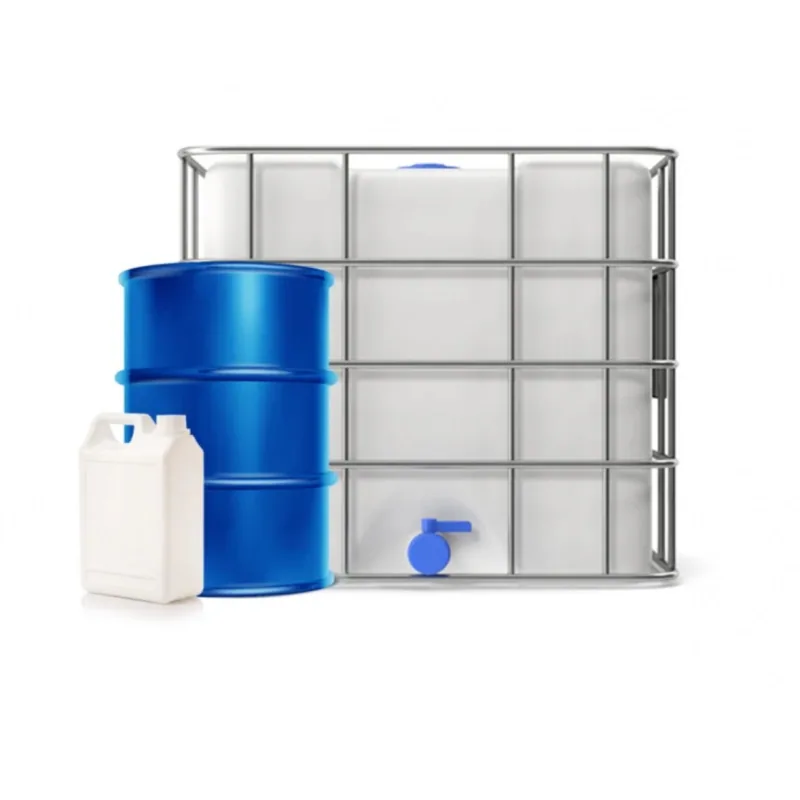
Canisters 30 kg / Tankers
Formic acid must be stored in a dry, cool, well‑ventilated area, shielded from direct sunlight and heat sources. Maintain ambient temperature below 25 °C and avoid rapid temperature fluctuations. Use corrosion‑resistant steel or compatible polymer containers that are tightly sealed. Shelf life is retained provided the packaging remains intact; any signs of corrosion or leakage require container replacement. During handling employ protective gloves, goggles and adequate ventilation, and keep the acid away from strong oxidizers and bases.